We’re often referred to as the youngest city in Europe, with around 37% of our population under the age of 25, but there’s a lot more that puts Birmingham on the map, making us famous nationwide and even globally. Here are just a few things our amazing city is known for.
1. Food
Birmingham has the most Michelin-starred restaurants outside of London; Opheem, Adam's, Simpsons. Plus many more that come highly recommended.
We’re well known for our street food and independent food vendors that pop up at Digbeth Dining Club and street food events around the city.
We’re home to a few well-known staples of the British diet:
- You’ve probably heard that Cadbury and Bournville chocolate originated here in Birmingham, with the Cadbury factory still running to this day.
- Bird’s Custard was invited here in 1837 by Alfred Bird. The original Bird’s Custard Factory is now a hot spot for independent shops and creative businesses.
- HP or ‘brown’ sauce, the must-have accompaniment with every fully cooked English breakfast, might have been named after the Houses of Parliament but was made here in Birmingham.
- Typhoo tea, a well-known type of English Breakfast Tea was founded in Birmingham in 1903.
Birmingham is the birthplace of the Balti, a type of curry whose name directly translates to ‘bucket’. Our ‘Balti Triangle’, consisting of over 100 curry houses, has gained world recognition for being home to some of the country's best!
Check out our Birmingham food guide.
2. World Craft City
Birmingham's Jewellery Quarter produces 40% of all the UK’s Jewellery, which is the highest concentration in Europe! It’s also home to our School of Jewellery, producing the next generation of talented Jewellers. Thanks to this excellence, Birmingham has been recognised as a World Craft City, one of just eight sites in Europe.
The Birmingham School of Jewellery was the proud home of BBC TWO’s All That Glitters seasons one and two. All That Glitters was a six-part series fronted by comedian Katherine Ryan and saw eight of the UK’s best jewellery makers battle it out to impress expert judges Shaun Leane and Dinny Hall.
At one point, three-quarters of all the world's pens had nibs that were made here in Birmingham (1875).
3. Literacy
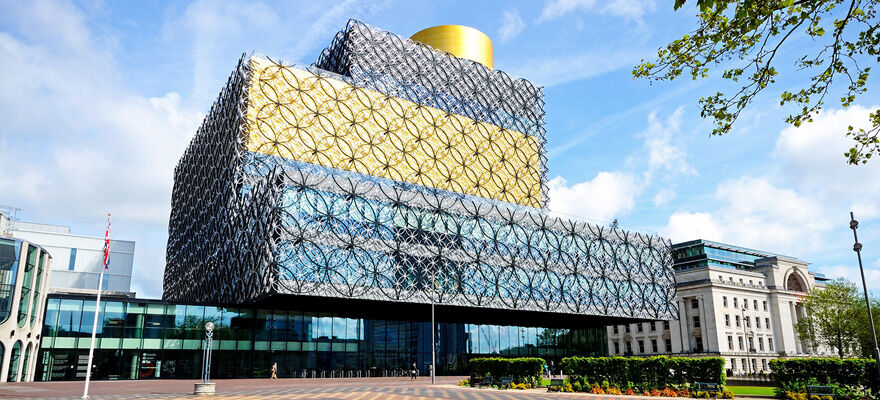
Did you know The Hobbit and The Lord of the Rings were based on a suburb here in Birmingham, where the author JRR Tolkien lived? You can complete the Tolkien Trail through Moseley, which consists of the author’s childhood home and landmarks that influenced his novels.
Birmingham was also home to extraordinary poet, a passionate writer and a Birmingham icon, Benjamin Zephaniah. Each year, BCU hosts the Benjamin Zephaniah Future Writers competition, which recognises literary talent in the Midlands.
The Library of Birmingham, built for £189 million, is the largest regional library and cultural space in Europe.
4. Theatre
Birmingham is a city with a vibrant cultural scene; there is so much to see and do every day of the week, including art galleries, museums, live music and theatre. Whether you want to see shows straight from the West End or experience local theatre, there's always something to see in Birmingham. Check out our theatre map to see more venues across the city.
ODEON Cinemas, the largest cinema chain in the UK, were founded in Perry Bar, in Birmingham by Oscar Deutsch in 1930. There are multiple cinemas across the city to get your film fix.
5. Our Location
Here in the Midlands, we are located in the middle of the country, which makes Birmingham incredibly accessible. You can get to 90% of the UK in under four hours!
Tourist attractions such as London, Stratford-upon-Avon and other popular destinations are just a short train ride away.
6. Manufacturing
Birmingham was home to the great scientists and inventors Matthew Boulton, James Watt and William Murdoch, leading Birmingham to be the first manufacturing town in the world.
The first ever working Steam Engine and the anchor of the Titanic were built in the Black Country.
7. Sport
The FA Cup was made in Birmingham, and the first ever football league started here.
We’re home to several football teams: Aston Villa, Birmingham City and West Bromwich Albion. You can check out our sports map for more teams and venues across the city.
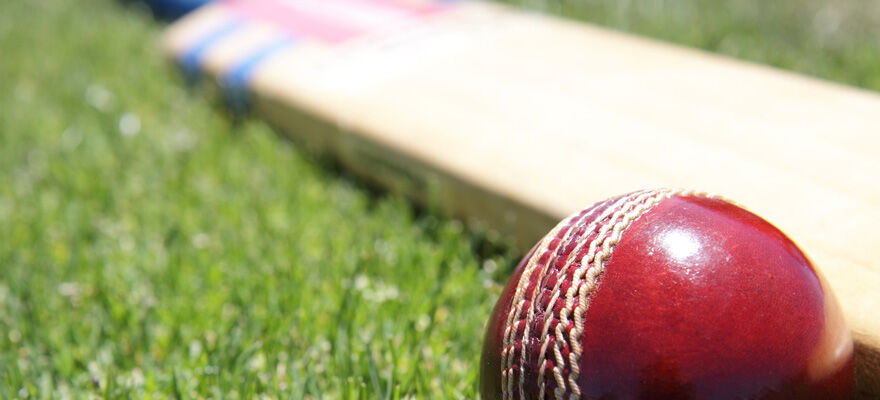
We have Edgbaston, the world-famous cricket stadium, which frequently hosts international Test Matches.
Plus, we hosted the Commonwealth Games here in Birmingham in 2022, putting Birmingham on the global sporting stage!
8. Music
Birmingham is said to be the home of heavy metal with the likes of Black Sabbath (led by Ozzy Osbourne), Judas Priest and lead singer of Led Zeppelin originating from the city.
The Streets, UB40, Musical Youth, Wizzard, Laura Mvula, Apache Indian, Steel Pulse and Duran Duran also come from Birmingham.
We host over 50 festivals across the city each year, such as Moseley Folk Festival, MADE, Birmingham Mela, Simmer Down and Birmingham Jazz and Blues Festival.
Birmingham City University has its own Conservatoire, where you can see our talented music students perform.
9. Transportation
Birmingham New Street is the busiest train station in the UK outside of London and provides connections across the UK.
The world’s oldest railway roundhouse was recently discovered just steps from our City Centre Campus. Innovation in Birmingham continues with the construction of the new Curzon Street Station near our City Centre Campus. Making connections with the rest of the UK even better!
We’re well known for our canal system, dating back to 1768, and have more miles of canals than Venice! Our canals are a major tourist attraction and make talking or walk or going for a run or bike ride a unique experience in Birmingham.
Birmingham International Airport is the third largest in the UK, and the city sees over one million international visitors each year.
10. Shopping

We’re one of the top three shopping destinations in the UK. With our high street, the Mailbox, Bullring, Grand Central, the world’s largest Primark, independents, vintage shops, and so much more, there really is something for everyone!
Birmingham’s Bullring is also one of the largest shopping centres in Europe and has been ‘the place to shop’ since the Middle Ages.


